





戰火翻頁的時刻


分享到微信

請掃描以上二維碼
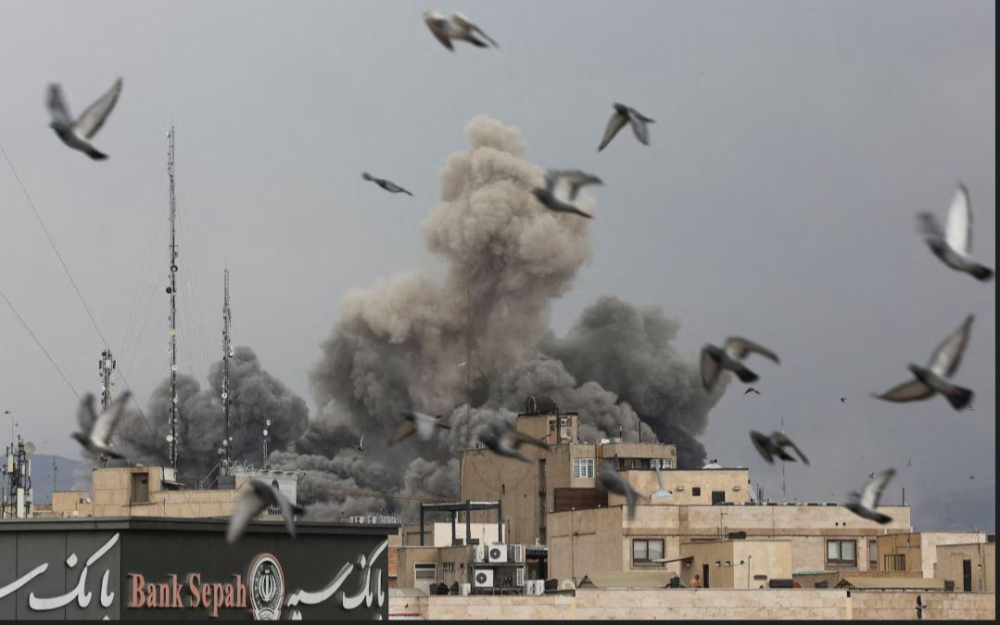
世界在一則震撼消息中醒來 美國與以色列對I伊朗展開軍事行動。中東上空的戰機轟鳴,不僅撕
這場衝突並非偶發。多年來圍繞伊朗核問題的對峙、制裁與外交僵局
然而,戰火從來不會停留在單一國界。
霍爾木茲海峽的油輪航道可能動盪,全球能源市場將承受壓力;金融
更深遠的影響,在於大國博弈的再度升溫。Russia與Chin
歷史告訴我們,每一次中東的震動,都會在全球產生回聲。戰爭不是
在硝煙瀰漫之際,理性與克制顯得彌足珍貴。因為真正需要守護的,
2026年的春天,也許將成為歷史的一頁註腳——
記錄著世界如何在危機中選擇方向。
War Between the U.S., Israel, and Iran
On March 2, 2026, the world awoke to breaking news: the United States and Israel had launched military action against Iran. What began as a regional confrontation immediately carried global consequences.
This conflict did not emerge overnight. Years of tension over Iran’s nuclear ambitions, economic sanctions, and failed negotiations had pushed diplomacy to its limits. For Israel, the issue is existential. For the United States, it is a matter of strategic credibility and alliance commitments. For Iran, it is about sovereignty and regional influence.
Yet war in the Middle East never remains confined. The Strait of Hormuz—through which a significant portion of the world’s oil supply passes—could become a flashpoint. Energy markets are likely to react sharply. Financial markets may shift toward safe-haven assets. Global inflation pressures could intensify once again.
The broader geopolitical impact may prove even more significant. The responses of Russia and China will shape whether this conflict remains limited or accelerates a deeper division in the international system. If rival blocs solidify, the world could move closer to a more polarized era.
History often turns during moments of crisis. Wars do not simply redraw military lines; they reshape global order, economic structures, and political alliances.
Whether this confrontation becomes a brief episode or the beginning of a larger transformation remains uncertain. What is clear, however, is that March 2, 2026 may mark a pivotal chapter in the evolving story of global power.
分享到微信
請掃描以上二維碼