






美國再䧟入戰爭泥沼中


分享到微信

請掃描以上二維碼
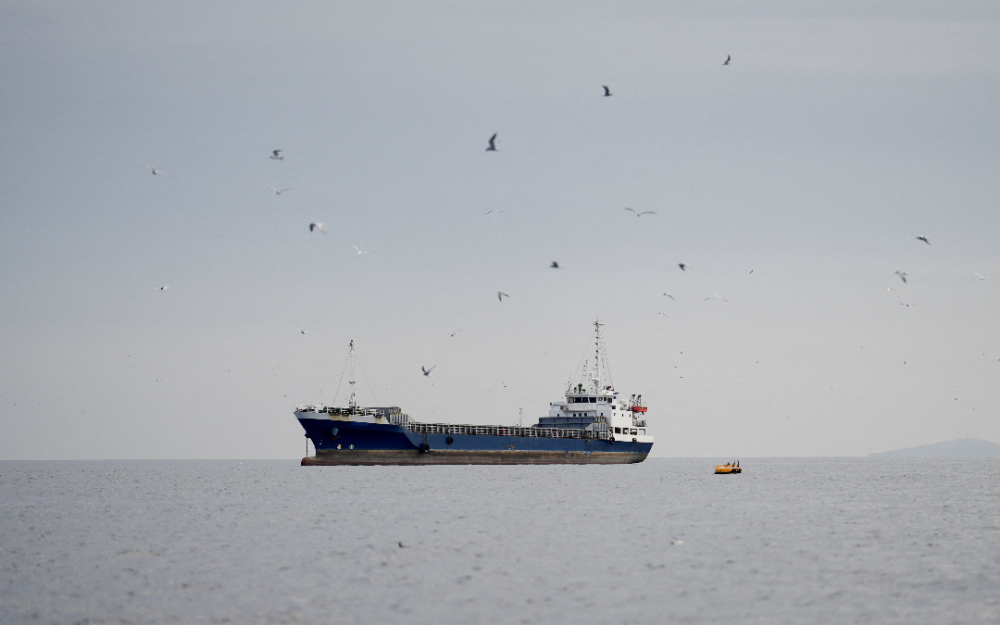
泥沼未脫——美國在戰爭陰影中的徘徊
歷史的回聲,總在不經意間重複。當世界再度聚焦中東與關鍵戰略通
所謂泥沼,並非單指戰場的膠著,而是一種難以抽身的結構:
投入越多,退場越難;行動越深,代價越重。
從過往的戰爭經驗來看,軍事力量可以迅速改變局勢,卻難以真正結
在這樣的局勢下,美國面對的不只是外部對手,更是內部的拉扯——
安全與成本之間,責任與撤退之間,領導地位與國內壓力之間。
而對世界而言,這場泥沼的影響遠遠超出戰場:
能源市場動盪、地緣政治重組、全球信心動搖。每一個漣漪,都在提
或許,真正的問題並不在於「是否能贏」,
而在於——是否知道何時該停。
當一個國家不斷被捲入衝突之中,最需要的,或許不是更多的力量,
泥沼之所以可怕,不在於它深,而在於人們常在其中忘了回頭的方向
April 14, 2026 — Tuesday
Trapped in the Quagmire — America and the Endless Shadow of War
History has a way of echoing itself. As global attention once again turns to the Middle East and its strategic waterways, the United States appears to be stepping onto a familiar, heavy path — one that leads into the quagmire of war.
A “quagmire” is not merely a battlefield stalemate. It is a condition of entanglement:
the deeper the commitment, the harder the exit; the greater the investment, the heavier the cost.
Past conflicts have shown that while military can shift situations rapidly, it rarely resolves the deeper issues. Initial objectives blur over time, and what begins as a short-term operation often evolves into prolonged engagement. War, then, ceases to be a decision — it becomes a dilemma.
In this moment, the United States faces not only external adversaries but also internal tensions —
between security and cost, responsibility and withdrawal, global leadership and domestic pressure.
For the rest of the world, the consequences extend far beyond the battlefield.
Energy markets fluctuate, geopolitical alliances shift, and global confidence wavers. Each ripple is a reminder: in war, there are no true bystanders.
Perhaps the real question is not whether victory is possible,
but whether there is clarity on when to stop.
When a nation finds itself repeatedly drawn into conflict, what it may need most is not greater force, but deeper reflection — and greater restraint.
The danger of a quagmire lies not only in its depth, but in how easily one forgets the way back out.
分享到微信
請掃描以上二維碼
















相關推薦
查看更多