





習鄭會震撼全球


分享到微信

請掃描以上二維碼
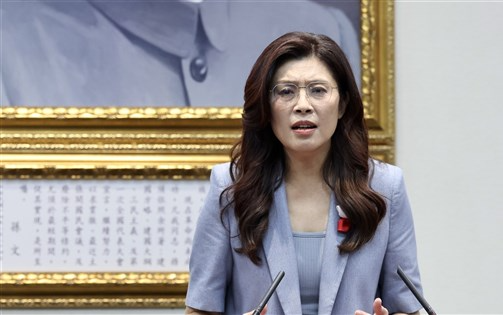
在全球高度關注之下,中國國家主席 習近平 與台灣在野政治人物鄭麗文即將會面的消息,迅速成為國際輿論焦點。這不僅是一場政治會晤,
這場「習鄭會」,來得正是時候,也來得格外不尋常。
當前兩岸關係在 賴清德 政府上任後持續緊繃,美中關係亦處於重新調整的關鍵期;同時,美
這不只是一場會面,而是一種布局。
對北京而言,這是延續其「雙軌策略」的重要一步——一方面對台灣
然而,對台灣內部而言,這場會面勢必引發激烈討論。有人將其視為
而真正讓世界關注的,是這場會面所釋放的訊號。
台海,早已不只是兩岸之間的問題,而是全球戰略平衡的重要支點。
如果北京藉此傳遞緩和訊號,強調和平發展,或許能為區域帶來短暫
最終,「習鄭會」真正的震撼,不在於一次握手,而在於它背後所代
在這個充滿不確定的時代,一場會面,往往就是一個時代的風向。
而此刻,全世界都在注視。
Xi–Cheng Meeting Sends Shockwaves Across the Globe
The anticipated meeting between Chinese President Xi Jinping and Taiwanese opposition figure Cheng Li-wen has rapidly become a focal point of global attention. More than a simple political encounter, this meeting carries profound strategic implications—reaching far beyond the Taiwan Strait and into the core of today’s shifting world order.
This is not just a meeting. It is a moment.
It comes at a time when cross-strait relations remain tense under the leadership of Lai Ching-te, while the broader U.S.–China relationship continues to evolve. At the same time, U.S. President Donald Trump is reportedly preparing for a high-profile visit to Beijing. Against this backdrop, Beijing’s engagement with Taiwan’s opposition sends a clear and calculated signal.
For Beijing, the message is strategic. By maintaining distance from Taiwan’s current administration while opening channels with opposition leaders, it reinforces a dual-track approach—isolating the ruling government while preserving influence and communication through alternative political forces. It is diplomacy, but also design.
For Taiwan, the implications are deeply internal. The meeting is likely to ignite debate across society. Is this a pathway toward easing tensions, or a subtle extension of external pressure? Is it engagement—or leverage?
For the world, the stakes are unmistakable.
The Taiwan Strait has become one of the most sensitive geopolitical flashpoints of our time. Every interaction is closely watched in Washington, Tokyo, and across Europe. Markets react. Alliances recalibrate. Strategic calculations shift.
What emerges from this meeting may shape the tone of the months ahead.
If Beijing uses this opportunity to project restraint and emphasize peaceful development, it could offer a temporary sense of stability. But if the meeting signals firmer political intentions or strategic pressure, it may deepen global concern and intensify geopolitical competition.
In the end, the true impact of the Xi–Cheng meeting will not be measured by the handshake itself, but by the message it conveys.
Because in today’s world, a single meeting can redefine expectations.
And right now, the world is watching.
分享到微信
請掃描以上二維碼
















相關推薦
查看更多