






霍姆海峡牵动世界经济


分享到微信

請掃描以上二維碼
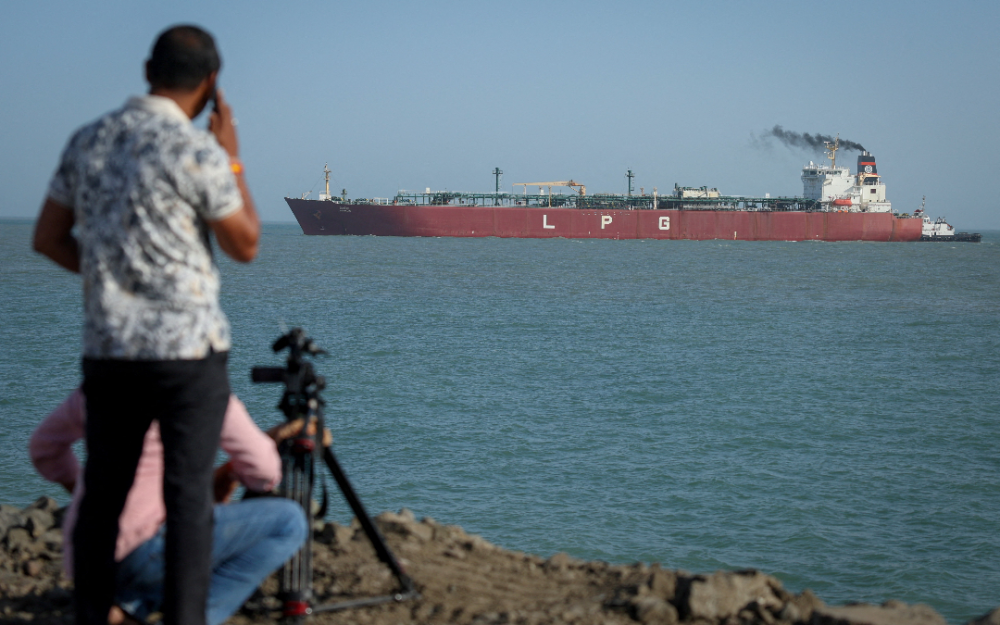
霍姆海峡,这条仅约33公里宽的海上咽喉,却承载着全球近五分之
近日,中东局势再度升温,地缘政治紧张、军事对峙与能源博弈交织
对高度依赖能源进口的国家而言,这不仅是供应问题,更是国家安全
然而,真正令人忧心的,不只是短期油价波动,而是长期的不确定性
霍姆海峡不只是地图上的一道水道,它是现代文明运转的命脉之一。
Hormuz Strait Energy Crisis Threatens the World
The Strait of Hormuz, a narrow waterway only about 21 miles wide, carries nearly one-fifth of the world’s oil supply. It is a strategic choke point—one that holds the lifeline of the global economy.
As tensions in the Middle East escalate, geopolitical rivalries, military posturing, and energy interests are converging in this critical corridor. Any disruption—whether through blockade, confrontation, or conflict—could halt tanker traffic, disrupt supply chains, and send global oil prices soaring, triggering inflation and financial instability worldwide.
For nations heavily dependent on imported energy, this is not merely an economic concern but a matter of national security. Countries across Asia and Europe are strengthening strategic reserves, while the United States has increased naval presence to safeguard freedom of navigation. Energy has become more than a commodity—it is a powerful geopolitical instrument.
Yet the deeper concern lies beyond immediate price shocks. The world’s heavy reliance on a single strategic passage exposes a fragile vulnerability. A localized conflict could rapidly evolve into a global crisis.
The Strait of Hormuz is more than a line on the map—it is a vital artery of modern civilization. If instability intensifies, the consequences will reach far beyond the Middle East, reshaping global markets, security, and the future of international order.
分享到微信
請掃描以上二維碼


















相关推荐
查看更多