






高院裁决 绿卡持有人处境将更艰难


分享到微信

請掃描以上二維碼
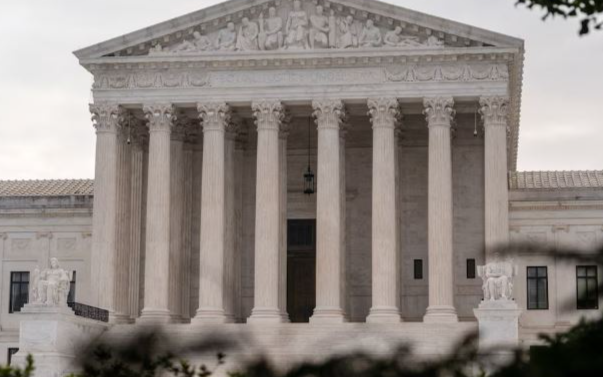
美国最高法院近日作出一项备受关注的移民裁决,进一步扩大边境执
这项判决引发移民法律界及华人社区高度关注。专家指出,大多数没
此裁决被视為近年美国移民政策趋於严格的重要司法发展之一,也反
Supreme Court Ruling May Make Life More Difficult for Green Card Holders
A recent U.S. Supreme Court ruling is expected to make international travel and re-entry into the United States more challenging for certain lawful permanent residents. The decision expands the authority of immigration officials to subject some Green Card holders to additional scrutiny when they return to the country.
Under the ruling, lawful permanent residents who have certain criminal convictions or are accused of offenses that could affect their immigration status may be treated as applicants for admission upon re-entering the United States. Immigration authorities may place these individuals into removal proceedings without first meeting a higher evidentiary standard that had previously been required.
Immigration attorneys emphasize that the vast majority of Green Card holders with no criminal history are unlikely to be affected by the decision. However, permanent residents with past criminal convictions, pending criminal charges, or other immigration-related issues should consult an experienced immigration attorney before traveling abroad.
The ruling represents another significant development in U.S. immigration law and reflects the Supreme Court’s continued support for broader federal authority in immigration enforcement. For many immigrants and their families, the decision underscores the importance of understanding how legal issues can affect permanent resident status and international travel.
As immigration policies continue to evolve, legal experts encourage Green Card holders to remain informed and seek professional advice whenever questions arise regarding their rights and obligations under U.S. immigration law.
分享到微信
請掃描以上二維碼



















相关推荐
查看更多